

10 Tips for Managing Menopause Symptoms at Work
Hot flashes, poor sleep, and trouble concentrating are common menopause symptoms that can make getting through your workday a challenge. Here are ten ways to manage symptoms.
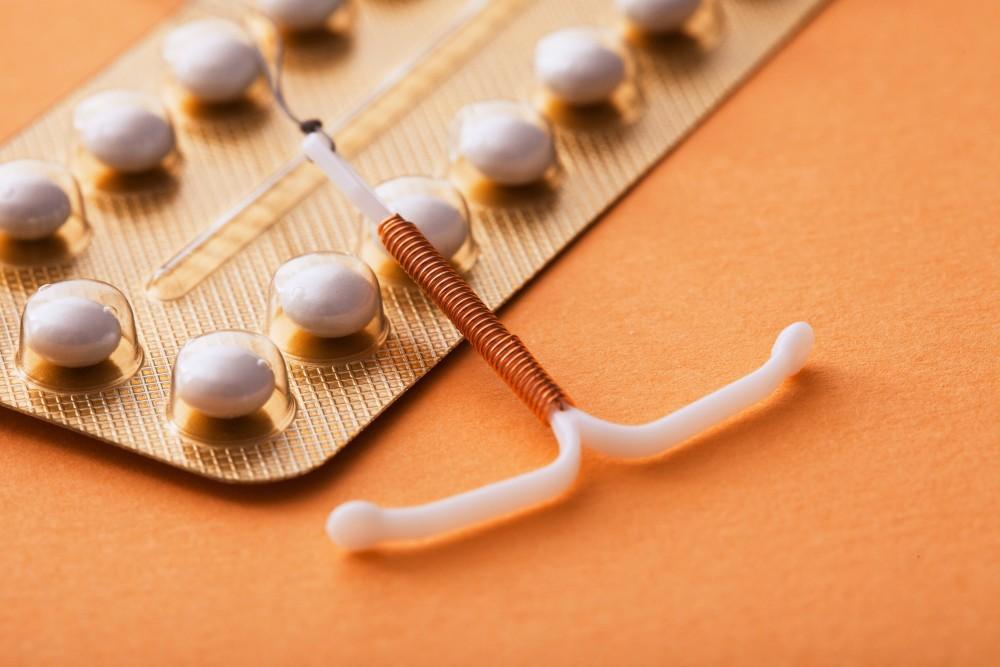
If you're deciding between an intrauterine device (IUD) and birth control pills, know that either can offer effective pregnancy prevention. However, they differ in how they work, how you use them, and what you can expect when using each option.
Makunda Abdul-Mbacke, MD, MPH, FACOG at Piedmont Preferred Women's Healthcare, provides warm, compassionate care to girls and women who need OB-GYN and urogynecologist services.
An IUD is a small, T-shaped device that sits inside your uterus. The pill is a daily oral contraceptive.
Plastic hormonal IUDs release a small amount of progestin, which thickens cervical mucus and makes it harder for sperm to reach an egg. They also thin the uterine lining, often making periods lighter over time.
Copper IUDs work without hormones by interfering with sperm movement. Depending on the type, an IUD protects for several years without daily effort.
Combined pills contain estrogen and progestin, while progestin-only pills contain no estrogen. The pill prevents pregnancy primarily by stopping ovulation, but can also affect cervical mucus thickness.
The American College of Obstetricians and Gynecologists notes that fewer than 1 in 100 IUD users become pregnant during the first year of use. Pills can work equally well when taken correctly, but improper use can reduce their effectiveness.
Your preferences, medical history, and menstrual symptoms all matter when choosing contraception. Some women find the low-cost pill to be their easiest option, while others prefer the fit it and forget it benefit of an IUD. Consider these differences:
An IUD provides ongoing protection without daily reminders. With pills, you have to remember to take your dose every day at the same time, and recognize when you’re at risk for reduced efficacy, like if you are taking certain types of antibiotics.
Hormonal IUDs often reduce heavy bleeding and menstrual cramps. Copper IUDs can increase bleeding and cramping, especially during the first months. Some birth control pills help many women regulate their periods and reduce menstrual cramps.
Copper IUDs contain no hormones. Hormonal IUDs and pills combine different hormones and doses. Changing hormone levels can cause birth control side effects like mood swings and tender breasts.
Neither contraceptive option protects against sexually transmitted infections (STIs), so condoms or another barrier system remain important if you need STI protection.
If you're considering birth control and want to know more about your options, contact our office to schedule an appointment today. We offer services in Rockingham County, North Carolina (Reidsville and Eden), southern Virginia (Danville and Ridgeway), and surrounding areas.


